
THE ORGANIZATION IS NOT A CHART, A CULTURE, OR A STRATEGY.
Blog post description.
2/2/20265 min read
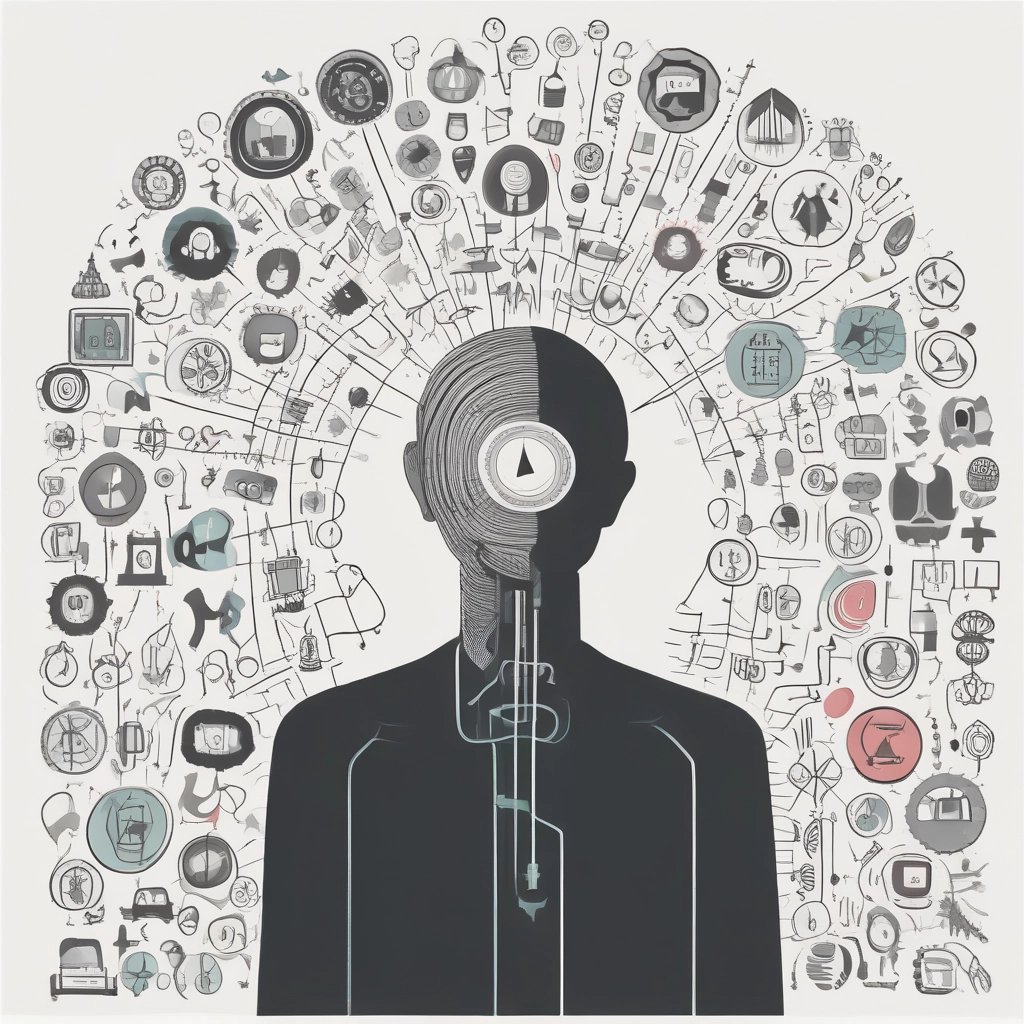
WHY THE FASTEST WAY TO UNDERSTAND PERFORMANCE, CAPABILITY, AND CULTURE IS TO MEASURE WHAT PEOPLE ACTUALLY DO
We often try to understand ourselves by looking in the wrong places.
On the organizational front (this isn’t a psychology website), we look at organizational charts, but charts describe authority, not work. We look at engagement scores, but engagement measures sentiment, not performance. We look at culture statements and believe we understand what they really say, but culture is an outcome, not an input. And we look at headcount, yet the headcount tells us virtually nothing about capacity.
And so, when performance falters, when people feel overloaded, when delivery slows, when quality slips, when burnout rises, the response is predictable: restructure, hire, retrain, relaunch the culture, or ask HR for “more resources.”
What rarely happens is the most obvious thing of all.
We don’t look at the work.
WORK IS THE ORGANIZATION’S GROUND TRUTH
Every organization exists to do work. Not in the abstract sense of “value creation,” but in the concrete sense of tasks, decisions, judgments, coordination, interruptions, rework, queues, and workflow. Work arrives, it consumes time and energy, it moves (or doesn’t), and eventually it produces outcomes of varying quality.
Yet in many organizations, work is largely invisible to those who are not in the middle of it. Leaders can tell you how many people they employ, but not how many hours are consumed by rework. They can describe their strategy, but not how demand actually enters the system. They can debate culture endlessly, but not where decisions stall or why simple tasks take so long.
This invisibility isn’t accidental. Modern management has inherited a set of assumptions that quietly detach performance from work itself. We’ve learned to talk about organizations in terms of roles, competencies, behaviors, leadership styles, values, and engagement—while the actual work remains unmeasured, unmodeled, and poorly understood.
The result is a paradox at times: organizations are full of activity, yet starved of insight.
WHY PERFORMANCE CONVERSATIONS GO NOWHERE
Consider how performance problems are usually discussed.
A team is overloaded. Leaders assume people are inefficient or resistant to change.
Quality slips. Training is prescribed.
Delivery slows. Meetings multiply.
Burnout rises. Wellbeing initiatives are launched.
All of this happens without anyone asking some fairly basic questions:
How much work is actually arriving?
How variable is it?
How much of it is value-adding versus avoidable rework?
Where does time really go during the day?
Which tasks require judgment, and which require structure?
Where are people compensating for broken processes?
How are we linking demand and resourcing, seriously (not in decibels)?
Without answers to these questions, performance conversations collapse into opinion. Leaders argue from experience or from pressure. HR argues from incomplete data. Finance argues on why there isn’t any proof. And the organization cycles through interventions that feel active but change very little.
We are all well-intended. But less armed with data and meaning.
WORKLOAD IS NOT A TECHNICAL DETAIL. IT IS A STRATEGIC LENS
When work is measured properly, something powerful happens.
The organization stops being a set of abstractions and becomes a living system.
Workload reveals where complexity accumulates.
Utilization reveals where time is consumed and where it’s wasted.
Flow analysis reveals where decisions stall and queues or pressure points form.
Rework and quality deficits reveal where capability or structure is failing.
Variability reveals why plans break under pressure.
Suddenly, familiar problems look different. Burnout and resourcing problems are no longer a mystery of resilience; they’re a signal of structural overload.
Capability gaps are no longer theory; they’re visible in error patterns and cycle time.
Cultural issues stop being ideological and start appearing as predictable behaviors under real operating conditions and workload.
Hiring decisions become evidence-based rather than political.
Workload becomes the x-ray of the organization.
And this is where managers, HR, OD, and Strategy (to name a few) experience a quiet but profound shift.
WHAT THIS MEANS FOR HR, OD, AND ENTERPRISE LEADERS
For decades, HR in particular has been expected to “own” (to a point) workforce performance without being given the tools to see the work itself. Headcount, engagement, turnover, and competency frameworks were asked to do jobs they were never designed for. Understanding work changes the role of HR fundamentally.
Instead of asking, “How many people do you need? ” HR can ask, “What is the work, and what capability does it actually require? ”
Instead of debating culture in the abstract, HR can show how culture emerges from structure, pressure, and readiness.
Instead of reacting to requests for more resources, HR can model productive capacity and demonstrate where investment will actually change outcomes.
Finance and Strategy can, and do, do this too. Usually with a cost impact in mind.
Industrial engineers do it. Usually, the hardcore versions involve a lot of numbers.
But shouldn’t HR? Routinely. How does workforce planning actually work?
This isn’t about turning HR into operations. But it could give HR the analytical footing required to act strategically. When work becomes visible, HR moves from interpreter of symptoms (“we need more staff!”) to steward of organization capability. With evidence.
CULTURE IS WHAT HAPPENS WHEN THE WORK GETS HARD
One of the most misunderstood ideas in management is culture.
Culture is often treated as something separate from work: a set of values, behaviors, or mindsets that sit “above” operations. In reality, culture shows up most clearly when work is under pressure.
Do people escalate early or hide problems?
Do teams collaborate or retreat into silos?
Do individuals feel permitted to decide, or do they wait for approval?
Do errors trigger learning or blame?
These behaviors are not random. They’re shaped by workload, structure, clarity, and capability. When work is poorly designed, culture compensates. When capability is fragile, culture becomes defensive. When pressure increases, culture reveals itself.
Understanding work allows leaders to understand culture without moralizing it.
FROM HEADCOUNT TO PRODUCTIVE CAPACITY
Perhaps the most practical implication of understanding work is how it changes conversations about capacity. Much of the time we still equate capacity with headcount. Yet two teams with the same number of people can have radically different abilities to deliver.
Why?
Because productive capacity depends on:
How work is structured
How time is actually used
How much rework exists
How capable people are under real conditions
And how the organization behaves when demand spikes
When these factors are visible, leaders can plan realistically. They can distinguish between true capacity constraints and self-inflicted inefficiencies. They can invest in capability where it matters most or avoid the costly cycle of hiring to compensate for broken systems.
Capacity stops being a negotiation and becomes a calculation.
WHY THIS PERSPECTIVE NEEDS HELP
What’s striking is how absent this way of thinking remains in education (business, HR), management training, and organizational psychology. Workload is often treated as an operational concern. Capacity is reduced to resourcing. Culture is detached from structure. Capability is discussed but rarely tested.
Other disciplines like operations, engineering, and systems thinking often fill the gap. HR can feel like it’s left managing consequences rather than causes.
Organizations are too complex, too pressured, and too interdependent to be managed by intuition alone. Leaders need a way to see the organization as it actually operates, not as it’s described.
That way starts with the work. Measure it. Understand it.
A FINAL THOUGHT
If you want to understand an organization and everything that goes with that, start where the truth lives.
Not in the org chart.
Not in the values statement.
Not in the engagement survey.
Start with the work.
Measure it.
Model it.
Understand how it flows, where it breaks, and how people experience it.
Everything else, like capability, culture, capacity, and strategy, will come into focus.

This article draws on work from organization capability research.
More themes and insights are covered through our new book:
Measuring Work and Productive Capacity: How HR and Enterprise Leaders Build Capable, Resilient Organizations
Order here!
[Link to landing page from here]
hello@orgmastr.com
©2024. All Rights Reserved

Operated by ORGMASTR OPC